
The stock markets around the world have been reaching for the sky since the beginning of the war. This is a classic blow-off top, and these always end in tears, but market participants seem to be in the grip of FOMO (fear of missing out) and ignoring the obvious tsunami of inevitable negative consequences of the war for the global economy. They’re anticipating massive money printing, which is definitely underway already and destined to go much further, and which is acting as market jet fuel for the time being. They’re also betting extremely heavily on the AI race, despite obvious signs of a bubble grounded in serious fraud. None of this will end well.
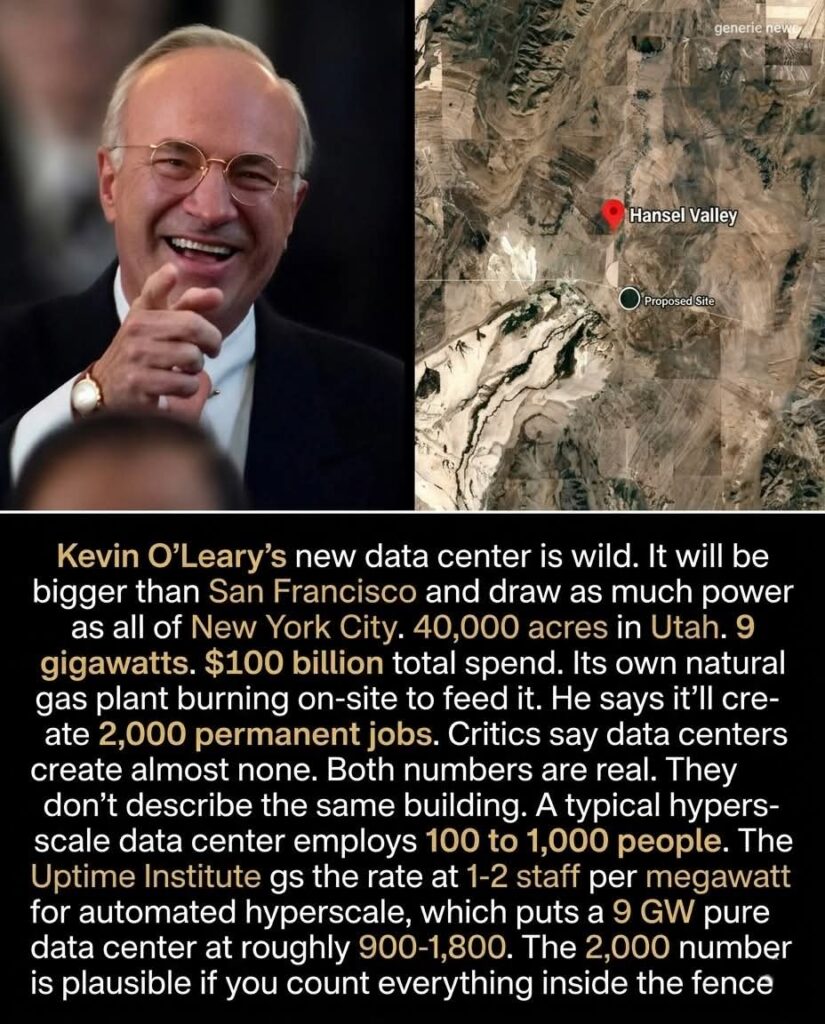
If AI were to somehow succeed in meeting its hype, there would be massive layoffs, leaving the unemployed far too poor to buy the products created. There would also cease to be a pipeline to senior level jobs in various sectors, as AI would replace the junior levels, leaving no humans to gain necessary experience. This would destroy many professions. Data centres would come to consume vast quantities of energy and cooling water, depriving the population of access to critical resources and further impoverishing them. Energy supply is about to be sharply curtailed in any case, and many data centres have been built in quite arid regions, so commandeering the available resources for a huge data centre, and they are mind-bogglingly large, could leave whole areas uninhabitable.
However, it’s highly unlikely that this scenario will play out to its logical conclusion. The AI bubble is going to burst. The circular investment strategy between companies is an obvious fraud and will be revealed as such. AI is unreliable. It halucinates, and does so confidently enough to fool people. It’s halucinations then become part of the training data it scrapes from the internet, so errors compound over time. People are treating it as infallible, almost godlike, when it’s anything but that. It can induce psychosis in people by leading them down pointless rabbit holes as it encourages their every wild idea. People are even falling in love with their AI chatbots. The influence is far from positive.
The earlier bubbles in railways, radio, the internet etc ruined the early investors, but left behind useful infrastructure that became the foundation for many successful businesses. Those technologies did become the future. This will not happen with AI. The gargantuan number of GPUs involved have a limited lifespan. They would need to be continually replaced, but there’s no established business case that would justify the cost. There isn’t even the concept of a viable plan. Chances are there won’t be sufficient energy either, given the extent if disruption and destruction in the Gulf, and horrendous consequences in store for the global economy as a result. Global energy supply was already on the verge of decline before the war, and that decline will now be substantially accelerated. Building out extreme energy hog infrastructure on top of the contractionary hardships already baked in will go over like a lead balloon. The control grid meant to prevent ordinary people from reacting to this as they normally would is not yet in place, and is behind schedule.
The future will be one of massive demand destruction, which is how all debt cycles and bubbles end. That which cannot continue will not. There is no such thing as a new permanently high plateau, as Irving Fisher mistakenly believed in 1929 at the peak of the market, right before the collapse into the Great Depression. Depressions are deflationary, meaning the money supply contracts relative to available goods and services, and this drives a sharp contraction in the real economy. This doesn’t necessarily mean that prices will fall though. It means that whatever the nominal price, affordability will be much worse in real terms. Some prices will likely fall as people try to unload goods to raise money for essentials, but the price of essentials will go through the roof, even as people’s purchasing power will be evaporating. The credit that constitutes the vast majority of the money supply is going to disappear, and the remainder will be competing desperately for food, fuel, and other necessities. Given how far we have to fall from our lofty economic perch, this is a recipe for chaos.
Of course the global elites who are currently driving the markets to the moon are going to try to implement their control grid, which has been discussed here in other posts. Doing so will require a huge increase in complexity, but socioeconomic compexity is a function of surplus energy, and that is obviously going to be problematic. Attempts at extreme centralisation have never worked in the past, other than temporarily, and this is the most extreme attempt ever made, by far. The coming chaos caused by the consequences of the war could easily take on an uncontrollable life of its own, upsetting the delusions of grandeur of our arrogant and over-confident elites. Brace for impact.