
The UN has declared that the planet is in global water bankruptcy, or permanent depletion, and that this requires centralised governance at the global level. They want real time monitoring and control of all water sources, and all uses of water worldwide. Existing water rights are to be eliminated, and use is to be tracked and limited. All of this will be discussed at a major water conference in December, and a new bureaucratic system is to be introduced to manage a framework analogous to carbon credit trading. This is in keeping with moves to centralise control over all other resources, as the billionaire class has been trying to do for a long time. Previous attempts to grants rights to capital over people have been made before, with the failed MAI treaty (Multilateral Agreement on Investment) from twenty five years ago, and later attempted agreements like the TPP (Trans Pacific Partnership). These were defeated, but this time the technology exists to enforce control at this level. What likely doesn’t exist is the energy necessary to run such a complex system, at least not for very long.
Fresh water availability is an important issue, especially when it comes to the overuse of ‘fossil water’, meaning acquifers that refill far more slowly than the rate at which they’re currently being drawn down. Scarcity of fresh water is definitely a problem in arid regions, and it’s a problem addressed with energy – energy to pump up ground water, energy to pump water from place to place, or energy to desalinate seawater. When both energy and fresh water become limited, mass migration may occur. This issue was discussed here in detail back in 2014.

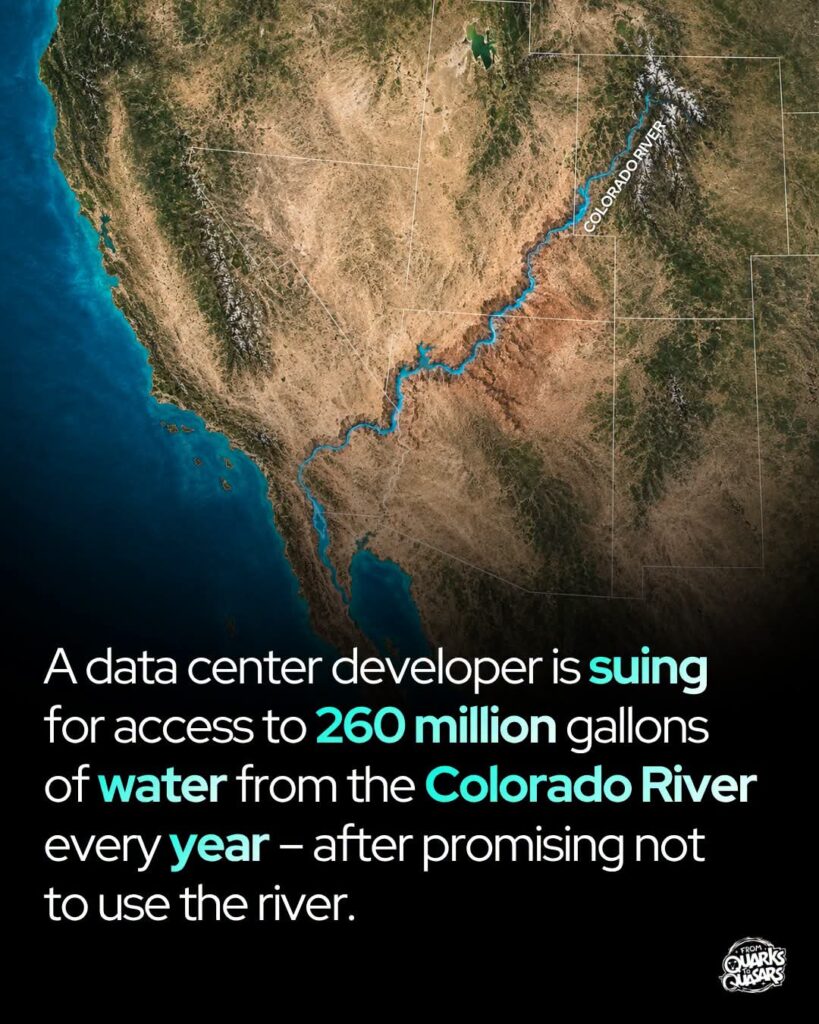
This attempt to seize control of a vital resource comes at the same time as a huge boom in the construction of the data centres neccesary for the technology to operate, and these data centres use huge quantities of both water and energy. Telling people that they must conserve every drop of water while allowing data centres to use and contaminate vast quantities of it is patently unreasonable, but the billionaire class has no interest in being reasonable. Their interest is in accumulating ever more wealth and power at the expense of the rest of the population. A water credit trading system, with tokenised water rights on a blockchain, would simply allow wealthy parties to buy up the water rights of the poor, who may have no choice but to sell theirs in order to afford other necessities. This would institutionalise inequality to a far greater extent than at present, and inequality is already worse than it was in the Gilded Age at the end of the 19th century.
Farms and rural homesteads would see their wells metered, and rainwater collection could be banned, as it already is in some arid areas like the American west. They would likely lose out to data centres in a bidding war for water credits. This could force rural people deprived of access to water into the 15 minute cities that the financial elite have long been planning. The cost of the necessary infrastructure is estimated at $6.5 trillion, and that cost is very likely to be imposed on those least able to pay.
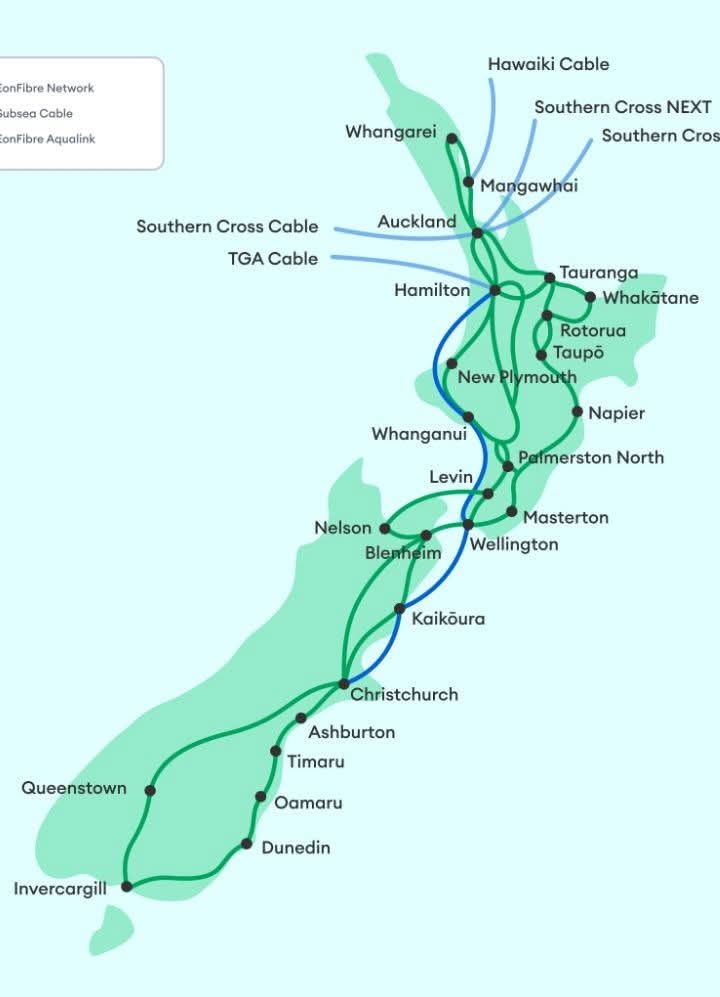
The changes, although a global initiative, are being pushed through at the local level. Local politicians are much less likely to understand the big picture their actions are helping to create, and the public will not be expecting a devious global power grab to be implemented by their local council. Here in New Zealand, all this is being implemented through a scheme originally known as Three Waters, where control over water resources is being given to a new water bureaucracy, with a great deal of power accruing to local Iwis (Maori leadership groups). The cost for New Zealand alone is said to be $185 billion, for a country of 5 million people. This is on top of the huge debts out government incurred during covid ($65billion before covid even arrived in the country). We are now in a debt trap, and debt traps are used to seize control of the debtors’ resources in lieu of payment of unrepayable debts. Creditors take everything. If this is implemented, Kiwis will find themselves tenants in their own country, and the same pattern will play out in many other countries as well if the billionaires get their way. New Zealand is planned to be a hub for data centres, due to our renewable energy. This would then raise the cost of that energy for all local people in the area, as it has done everywhere data centres have been built. They would be positioned along the grid lines below.
This is part of the digital control system being planned by the billionaire oligarchs who aspire to total control of everything, especially the essentials of life. Ordinary people are supposed to own nothing, and be forced into subscriptions for access to anything at all. It begins with digital ID. Without that, the surveillance and control systems cannot work at the level of the individual. In other words, digital ID must be resisted at all costs. Those attempting to impose this are on a tight timetable, and they are already behind on implementation. If the energy system collapses due to the war, and supply chains go with it, the opportunity to introduce such complex measures may be lost, and this attempt at extreme centralisation may fail like its predecessors. It needs to fail, because extreme centralisation always causes massive destruction and loss of life. Unfortunately that is one of the goals of the oligarchs. We need to collectively prevent them from achieving it.